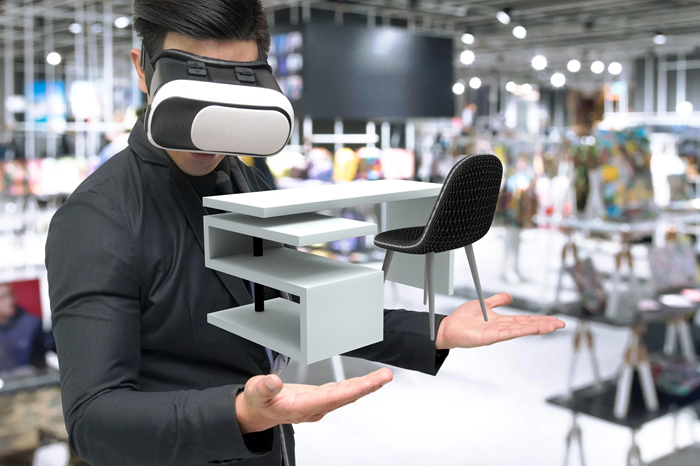
Virtual reality has become one of the fastest growing branches of modern technology, opening up new opportunities for entrepreneurs.
Creating a business in this area requires not only technical knowledge, but also a creative approach to developing products and services that allow users to immerse themselves in new worlds and experiences.
One of the most popular formats for the implementation of projects in the virtual reality industry is the open virtual reality arena. This allows entrepreneurs to create unique spaces for collaborative entertainment, training, or corporate events. The peculiarity of such a business is the need to integrate hardware with modern software solutions, as well as a comprehensive organization of the space.
Target audience identification and market analysis of VR services
To successfully launch a virtual reality business, you must first clearly identify the target audience. This allows you to select the most promising niches and develop products that meet the needs of users. It is important to take into account the age, level of technical literacy, interests and social status of potential clients. For example, young audiences are more likely to be interested in VR gaming and entertainment products, while the business segment may focus on corporate training and educational programs.
The analysis of the VR services market includes collecting information about current trends, competitors and potential opportunities. This helps to identify the main directions of development and choose the optimal implementation strategies. The analysis process should take into account such factors as the level of technical infrastructure in the region, pricing policy in the market and geographical coverage. Conducting research helps identify competitors’ bottlenecks, find niche segments, and identify opportunities to differentiate their services.
Analysis of the target audience and market opportunities
- Segment definition: young users, corporate clients, educational institutions, entertainment centers, travel companies.
- Audience needs: game entertainment, education, trainings, virtual excursions, social interaction.
- Market overview: market volume assessment, level of competition, growth prospects, barriers to entry.
| Key parameters | Description |
|---|---|
| Age range | from 12 to 45 years old, a wide age audience that requires different content |
| Geography | local markets, national and international segments |
| The level of technical awareness | from beginners to professional users of VR technologies |
Development of unique concepts and scenarios for virtual platforms
The development of original scenarios helps to attract the attention of users, increase their stay time and build loyalty. As a result of the successful implementation of the idea, the business gets a competitive advantage and new opportunities to expand its activities.
Basic principles and recommendations
- Target audience Research – understanding the interests, expectations, and needs of users.
- Innovativeness is the introduction of new ideas, unique formats and elements of engagement.
- Technology integration is the use of the latest advances in VR hardware and software.
- Cross-platform is the creation of scripts compatible with different devices and platforms.
- Feedback is the continuous improvement of scenarios based on user feedback.
Developing unique concepts and scenarios for virtual platforms requires a creative approach, careful study of the market and technology. Success in this field is achieved through a balance of innovation and practicality, consideration of the interests of the audience and continuous improvement of content. As a result, well-developed scenarios allow not only to stand out in the market, but also to ensure sustainable business development in the era of virtual reality.