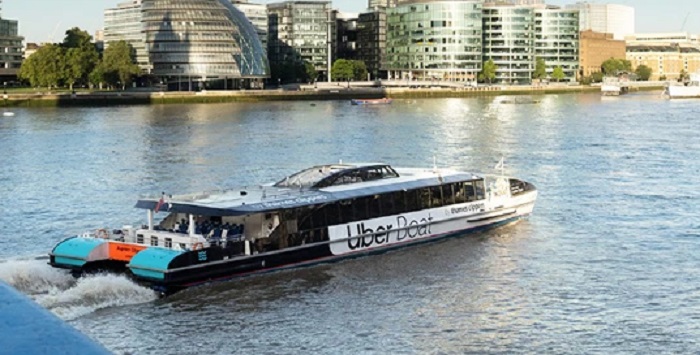
Travel by boat rewrites the rules of movement. Instead of rushing through airports or following fixed timetables, the sea invites a slower rhythm: one where the journey itself becomes the main event. Whether you’re day-sailing along a scenic coast or setting out on a multi-day voyage, boat travel offers access to hidden places, closer contact with nature, and a sense of independence that’s hard to find on land. Small practical choices—like reliable Deck Hatches—can make the difference between a tolerable trip and an unforgettable voyage, so understanding how these features contribute to comfort and safety is part of thoughtful trip planning.
The unique freedom of boat travel
On a boat, you steer your own timeline. You can anchor at a quiet cove at sunrise, linger in a seaside village for a night, or cut across a bay to chase a calmer sea. This flexibility translates into a travel experience rich with serendipity: unexpected detours, encounters with local fisherman, or seabirds trailing your wake. That freedom also requires respect for the elements—wind, tide, and weather—and an appreciation for the small systems on board that keep a vessel comfortable and safe.
Practical comforts that matter
A comfortable cockpit and well-ventilated cabins transform long days on the water. Small fittings add up: non-slip decking, good handholds, and openings that breathe. Properly installed Deck Hatches provide light and airflow to below-deck spaces, reduce condensation, and create a more enjoyable living area while underway or at anchor. Choosing thoughtfully designed components increases both comfort and the longevity of a boat’s interior fittings.
Nature as travel companion
What separates boat travel from other modes is proximity to nature. You pass through changing marine environments—rocky headlands, salt-scented marshes, and open ocean—each with its own wildlife and character. Marine life often becomes part of the itinerary: whales on a migration route, schools of fish near shoals, or playful dolphins that ride your bow wave. Those moments create memories that are fundamentally different from the scenery glimpsed at highway speed. The slower tempo helps travelers notice subtle changes in light and weather, deepening appreciation for the landscapes visited.
Discovering places unreachable by road
Boats unlock islands, isolated bays, and coastal trails that are otherwise difficult to reach. Some of the most memorable small ports and villages are accessible only by water, and visiting them offers a more authentic perspective on local life. Anchoring off a tiny island for lunch or stepping ashore at a sleepy fishing hamlet provides access to quieter, less commercialized experiences. For adventurous travelers, these discoveries are the reward for taking the sea route.
Life onboard: learning and community
Boat travel fosters a culture of cooperation. Limited space and shared responsibilities—navigation, anchoring, cooking, maintenance—encourage teamwork and social connection. Simple tasks, like keeping hatches secure, checking seals, or ensuring ventilation, become communal routines that teach practical skills. The presence of dependable Deck Hatches contributes to daily routines by allowing fresh air into sleeping quarters and reducing moisture buildup, which can prevent mold and uncomfortable conditions on longer trips.
Safety, preparation, and sustainability
Safety is essential: knowing basic seamanship, keeping up with weather forecasts, and ensuring safety gear is ready are non-negotiable. Preparation also includes maintenance of equipment that might seem minor but becomes essential offshore. Regular checks of openings, seals, and locking mechanisms prevent leaks and keep interiors dry. From an environmental perspective, traveling by sail or small motor-powered vessels often leaves a smaller footprint than air travel when trips are planned responsibly. Respecting marine habitats, minimizing waste, and using low-impact anchoring practices help preserve the places that make boat travel special.
Lessons and rewards
Sailing teaches patience, resourcefulness, and a different relationship with time. Delays—whether from becalmed winds or changing tides—become opportunities to observe, reflect, or learn a new skill. For many travelers, that shift from hurry to presence is the most valuable takeaway. Practical comforts, like effective ventilation and thoughtful hardware choices such as Deck Hatches, reduce friction in daily life on board and let you focus on exploration instead of small irritations.
Bringing the journey home
When you return from a voyage, the impressions linger: the taste of salt air, the quiet of an anchorage at dusk, the camaraderie of shared watches. Boat travel shapes stories that are tactile and sensory—stories of reefs and shorelines, of small ports and long horizons. It also opens new possibilities for future travel: routes you’ll return to, techniques to practice, and sights you’ll chase on another season.
Conclusion
Choosing to travel by boat is choosing a different pace and perspective. It’s a route to hidden places, a way to reconnect with nature, and a setting that teaches self-reliance and cooperation. Small but important features—like properly installed Deck Hatches—help make those journeys comfortable and sustainable, allowing travelers to focus on exploration rather than inconvenience. If you’re seeking an adventurous way to travel, the sea offers an open invitation: chart your course, prepare carefully, and embrace the journey.